Who's Watching Your Smart Home? What You Need To Know About The Rise of Smart Home Devices
Who's Watching Your Smart Home? What You Need To Know About The Rise of Smart Home Devices
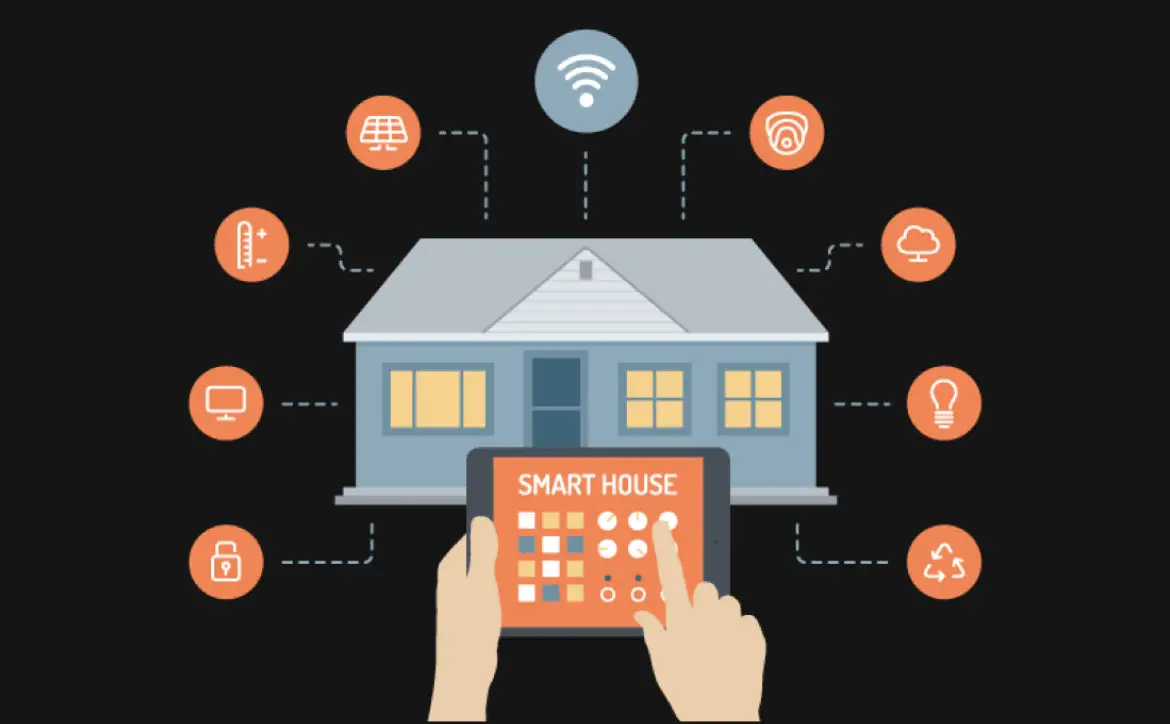
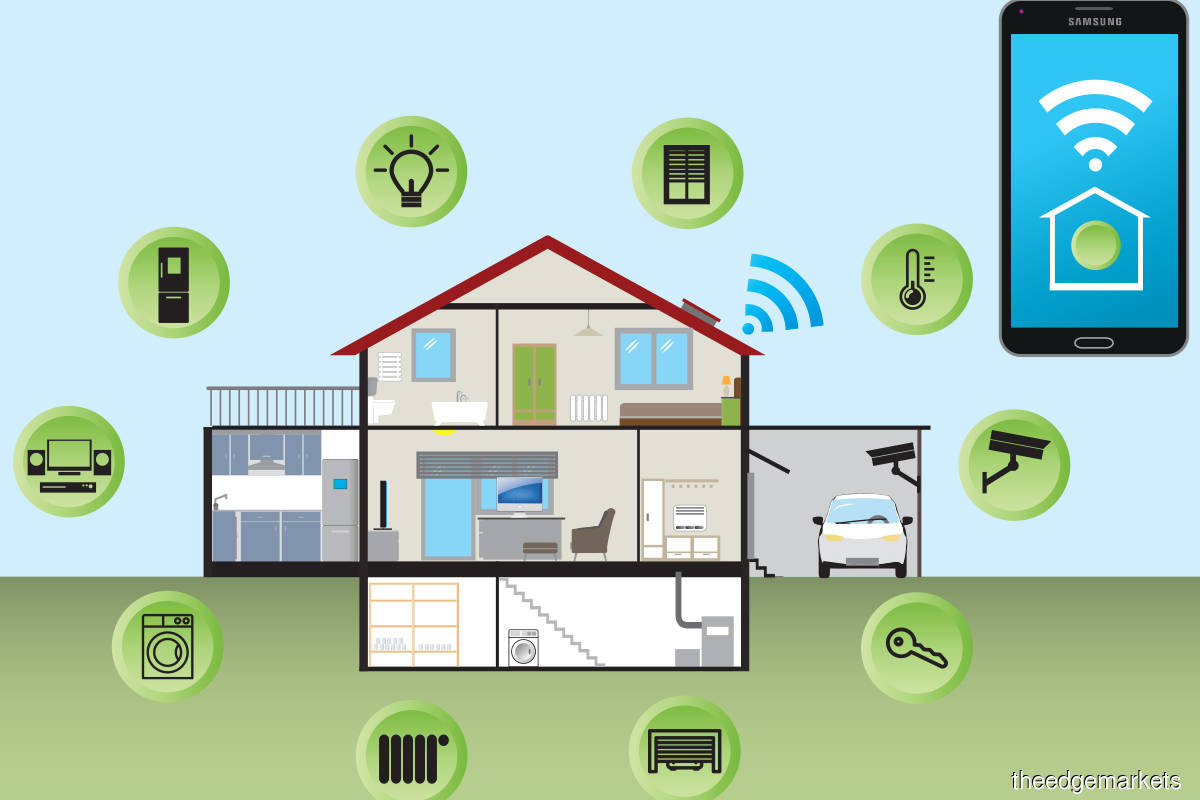
The era of smart home devices has revolutionized the way we live, work, and interact with our surroundings. With the integration of Artificial Intelligence (AI), Internet of Things (IoT) technology, and connected appliances, our homes are now more intelligent and autonomous than ever before. However, with this newfound convenience comes a growing concern over data privacy and security. Who's watching your smart home, and what are the potential risks involved?
The Rise of the Smart Home Ecosystem
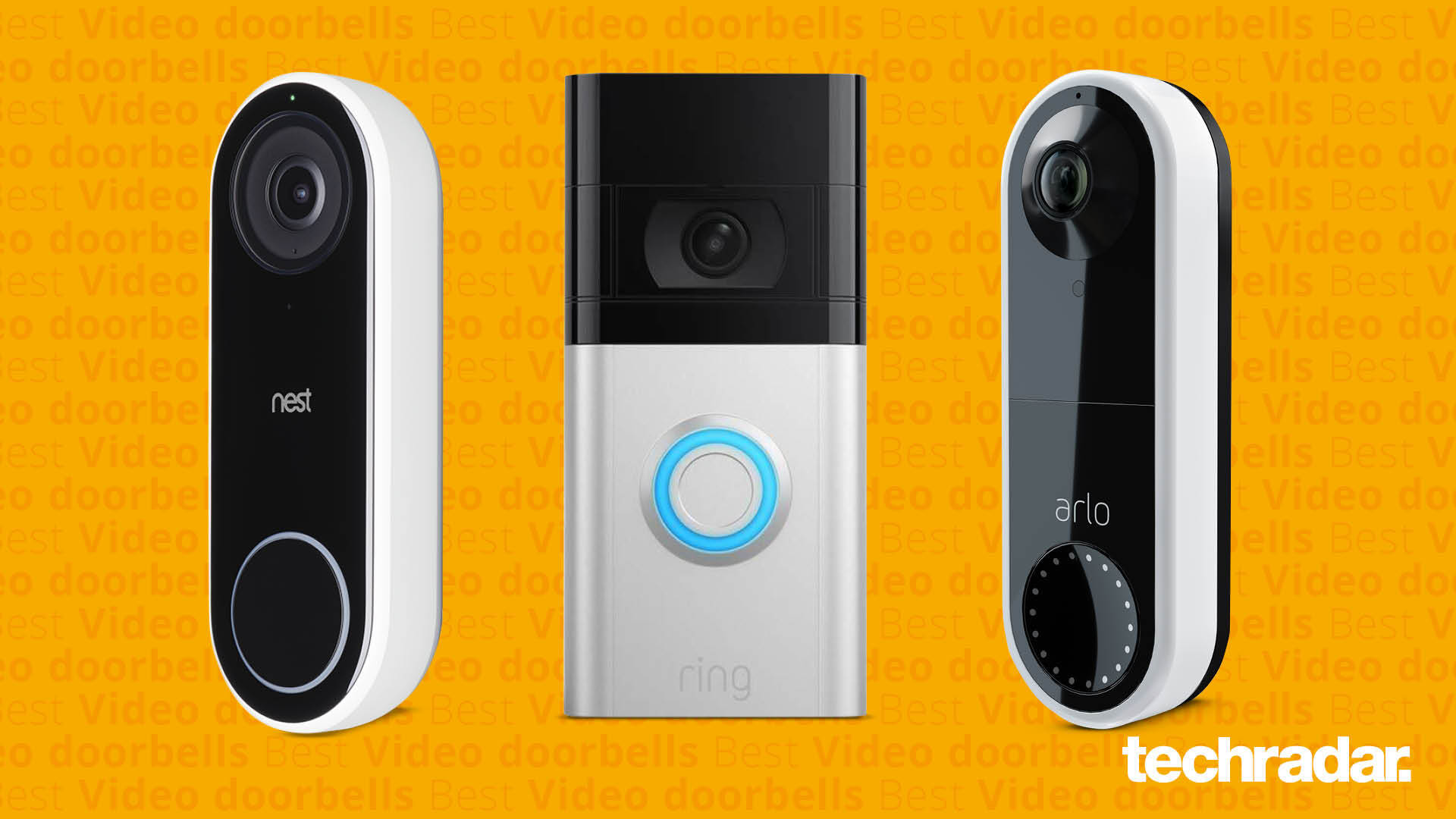
The smart home market is growing rapidly, with the global smart home market expected to reach a value of $146 billion by 2024, up from $57 billion in 2020. The number of smart home devices in use worldwide is projected to reach 11 billion by 2025, with smart thermostats, security systems, and lights being the most popular devices. The market is dominated by companies such as Amazon (Echo), Google (Nest), and Apple (HomeKit), which have invested heavily in developing an ecosystem of interconnected devices that can talk to each other seamlessly.
What Type of Data Do Smart Home Devices Collect?
It's essential to understand what type of data smart home devices collect before diving deeper into the potential risks involved. Most smart devices, such as smart speakers, thermostats, and security cameras, collect data on our daily routines, preferences, and habits, including:
* Biometric data: voice and speech patterns, body temperature, and physiological responses
* Behavioral data: what we eat, drink, watch, and read, as well as how often and for how long
* Location-based data: where we are, where we go, and how long we stay there
* Device usage data: how often and for how long we use our devices, what we watch, listen to, and read
* Environmental data: temperature, humidity, and lighting conditions within our homes
Who Has Access to Your Smart Home Data?
The data collected by smart home devices is stored and shared with a range of organizations, including:
* Device manufacturers: companies that produce and distribute the devices themselves
* Cloud service providers: companies like Amazon, Google, and Microsoft that store and process the data
* Software developers: companies that develop apps and platforms for managing smart devices
* Retailers: companies that sell and distribute smart devices
However, access to this data is not limited to these organizations alone. Other entities, such as:
* Insurance companies: use data to adjust premiums and offer customized insurance plans
* Advertising companies: use data to target ads based on our preferences and interests
* Law enforcement agencies: use data to investigate crimes and track suspects
* Government agencies: use data to gather intelligence and monitor citizens
Risks Associated with Smart Home Data Collection
The risks associated with smart home data collection are significant, including:
* Identity theft: data breaches can result in stolen identities and financial loss
* Cyberattacks: hackers can access and manipulate our devices, disrupting our daily lives
* Surveillance: governments and corporations can monitor our habits and activities
* Bias and profiling: algorithms used to analyze data can reinforce existing biases and create new ones
* Commercial exploitation: companies can use our data to target advertising and manipulate our purchasing decisions
How to Protect Your Smart Home Data
So, what can we do to protect our identities and information? The answer lies in being informed and proactive:
*
Read and understand the data collection and usage policies of smart device makers and cloud service providers
*
Use secure passwords and two-factor authentication
*
Keep devices and software up to date with the latest security patches
*
Limit the amount of data shared and avoid connecting devices that are not necessary
*
Consider using a Virtual Private Network (VPN) to encrypt data transmitted between devices
Conclusion
The rise of the smart home ecosystem has changed the way we interact with our surroundings. While the benefits are undeniable, the risks involved must not be dismissed. As consumers, it's essential to be informed and proactive about the data we share and the organizations that collect it. By making conscious choices and taking necessary precautions, we can protect our identities, our data, and our right to privacy in an increasingly connected world.

Related Post

The Dark Side of Social Media: How WCSJ News Uncovers the Hidden Truths

The Future of Food: How Vertical Farming is Revolutionizing the Way We Grow and Consume Our Daily Bread

Wcsj Breaking News: "World's First" Underwater City Unveiled, Revolutionizing Sustainable Living
**WCSJ Radio News:** 5 Surprising Facts About the World's Busiest Radio Stations


