Welcome to the Era of Globalization: Understanding the Rise of International Trade
Welcome to the Era of Globalization: Understanding the Rise of International Trade
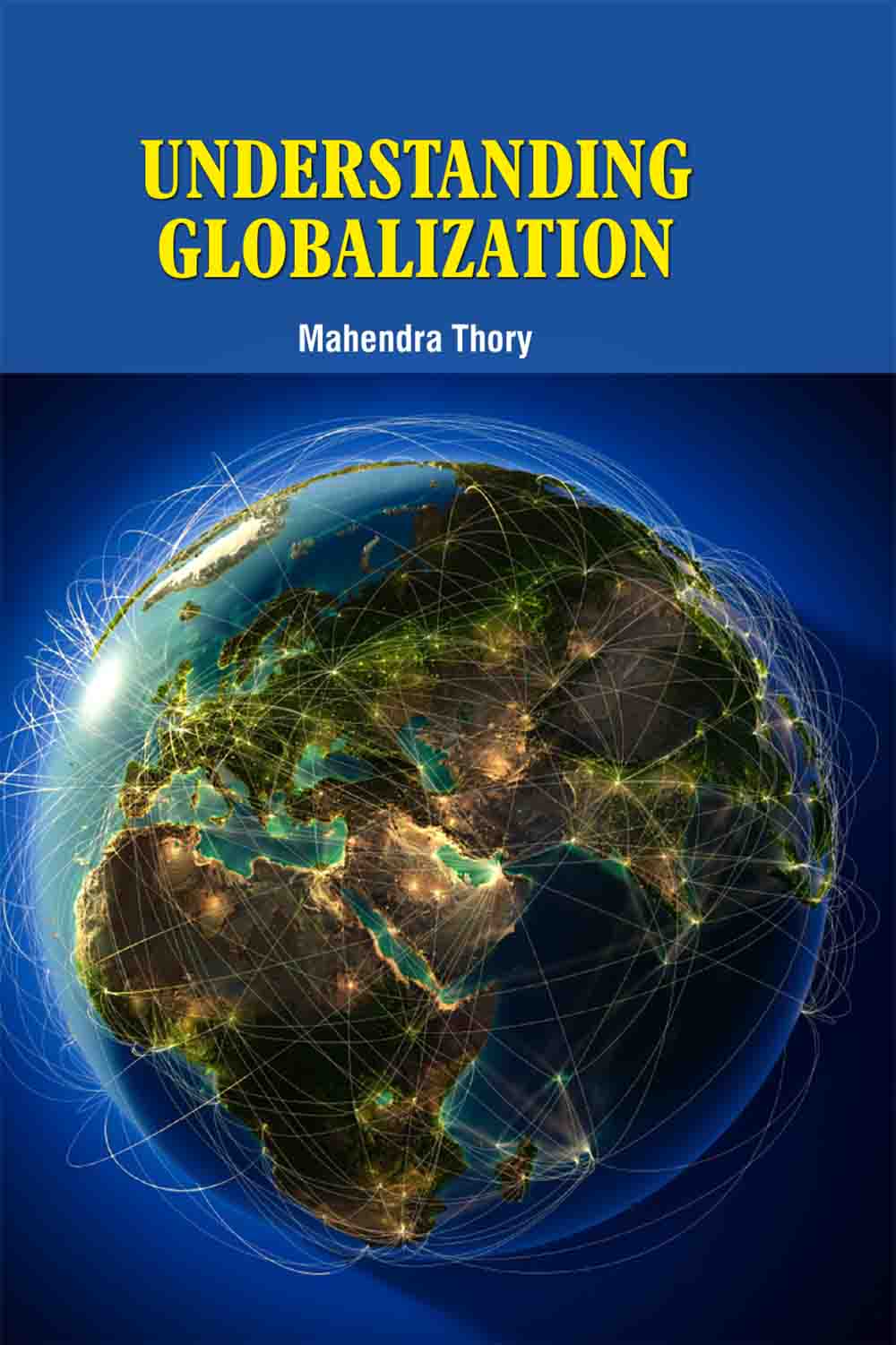
The era of globalization has transformed the way businesses operate, governments interact, and individuals live their lives. The effects of globalization are far-reaching and multifaceted, touching nearly every aspect of modern society. As economies interconnect and cultures blend, the opportunities for growth and prosperity have never been greater. However, they are also accompanied by challenges, such as income inequality, job displacement, and environmental degradation. In this comprehensive article, we will delve into the world of international globalization, exploring its history, benefits, challenges, and the future of this complex phenomenon.
History of Globalization
To understand the present state of globalization, it is essential to examine its historical roots. The concept of global trade dates back to the ancient civilizations of Mesopotamia, Egypt, and Greece. These earliest forms of globalization were marked by the exchange of goods and ideas across vast distances, facilitated by transportation methods such as the Silk Road and the Roman Empire's networks. However, it was not until the European Age of Exploration in the 15th century that international trade began to take on a more rapid pace. The establishment of trade routes, colonization, and technological advancements accelerated the flow of goods, people, and ideas across the globe.
The Modern Era of Globalization
After the end of World War II, the world witnessed a dramatic shift in the global economic landscape. As U.S. economist and international relations expert, Joseph E. Stiglitz, notes, "After the war, the international economic order was reshaped. The Bretton Woods system, established at Bretton Woods, New Hampshire, in 1944, created a new international monetary order, as embodied in the International Monetary Fund (IMF) and the World Bank." This system facilitated the ease of international trade, investment, and the flow of information.
Benefits of Globalization
Globalization has brought numerous benefits to countries, businesses, and individuals. Some of these include:
* **Economic Growth**: Global trade stimulates economic growth by increasing the availability of products and services, which in turn boosts consumer spending and business growth.
* **Increased Efficiency**: Economies of scale achieved through international trade allow companies to produce and distribute goods more efficiently, reducing costs for producers and consumers alike.
* **Cultural Exchange**: Globalization has facilitated the exchange of cultural goods, ideas, and innovations, enriching societies and fueling creativity.
* **Improved Services and Goods**: International trade offers consumers a wider variety of high-quality goods and services, improving their lives.
* **Job Opportunities**: Globalization has created job opportunities in sectors such as international trade and entrepreneurship, catering to the demand for skilled workers.
However, the benefits of globalization are not evenly distributed and have been criticized for various reasons, including income inequality and environmental degradation.
Challenges Facing Globalization
Despite its numerous benefits, globalization has faced numerous challenges, including:
- **Income Inequality**: The concentration of wealth in the hands of a few individuals and groups threatens social stability and exacerbates income inequality.
- **Job Displacement**: Automation and outsourcing facilitated by globalization have led to the displacement of workers in traditional sectors.
- **Environmental Degradation**: The increased global demand for resources and energy has put tremendous pressure on the environment, leading to habitat loss, pollution, and climate change.
- **Currency Fluctuations**: Volatility in the world's currencies has made it difficult for businesses to operate, especially for those with international supply chains or buyers.
- **Technological Barriers**: Divergent technological standards and intellectual property rights represent key challenges to global trade.
- **Global Security and Politics**: International conflicts, terrorism, corruption and governance issues in some nations have impacted the free movement of goods and services.
The Future of Globalization
As the world grapples with the challenges of globalization, one area of focus is the sustainable development of international trade. Global leaders are increasingly emphasizing the need for increased interconnectivity and cooperation between nations to address the environmental degradation and income inequality associated with globalization. From greener trade practices to protecting workers' rights, policymakers must address these issues to ensure that globalization achieves maximum benefits for all.
Experts like Thomas L. Friedman point out that the future of globalization will inevitably balance between increased efficiency and effective regulation, emphasizing the need to find a middle ground that addresses the competing social, economic, and environmental demands.



Related Post

Unpacking the Mystery Surrounding Finn Wolfhard's Sexuality
:quality(30):format(webp):focal(0.5x0.5:0.5x0.5)/tribunnews/foto/bank/originals/Ridwan-Kamil-Jalin-Silaturahmi-Dengan-Dewan-Masjid-Indonesia_20240930_204958.jpg)
The Transformation of Indonesia's Infrastructure under Lisa Mariana Ridwan Kamil's Leadership

The Genius of Lurics: Unpacking the Power of Humor in Online Communication

15 Day Forecast Myrtle Beach SC: Sunshine, Showers, and Summer Heat


