Unlocking the Secrets of the Brain: How Brain-Computer Interfaces (BCIs) are Revolutionizing the Way We Think
Unlocking the Secrets of the Brain: How Brain-Computer Interfaces (BCIs) are Revolutionizing the Way We Think
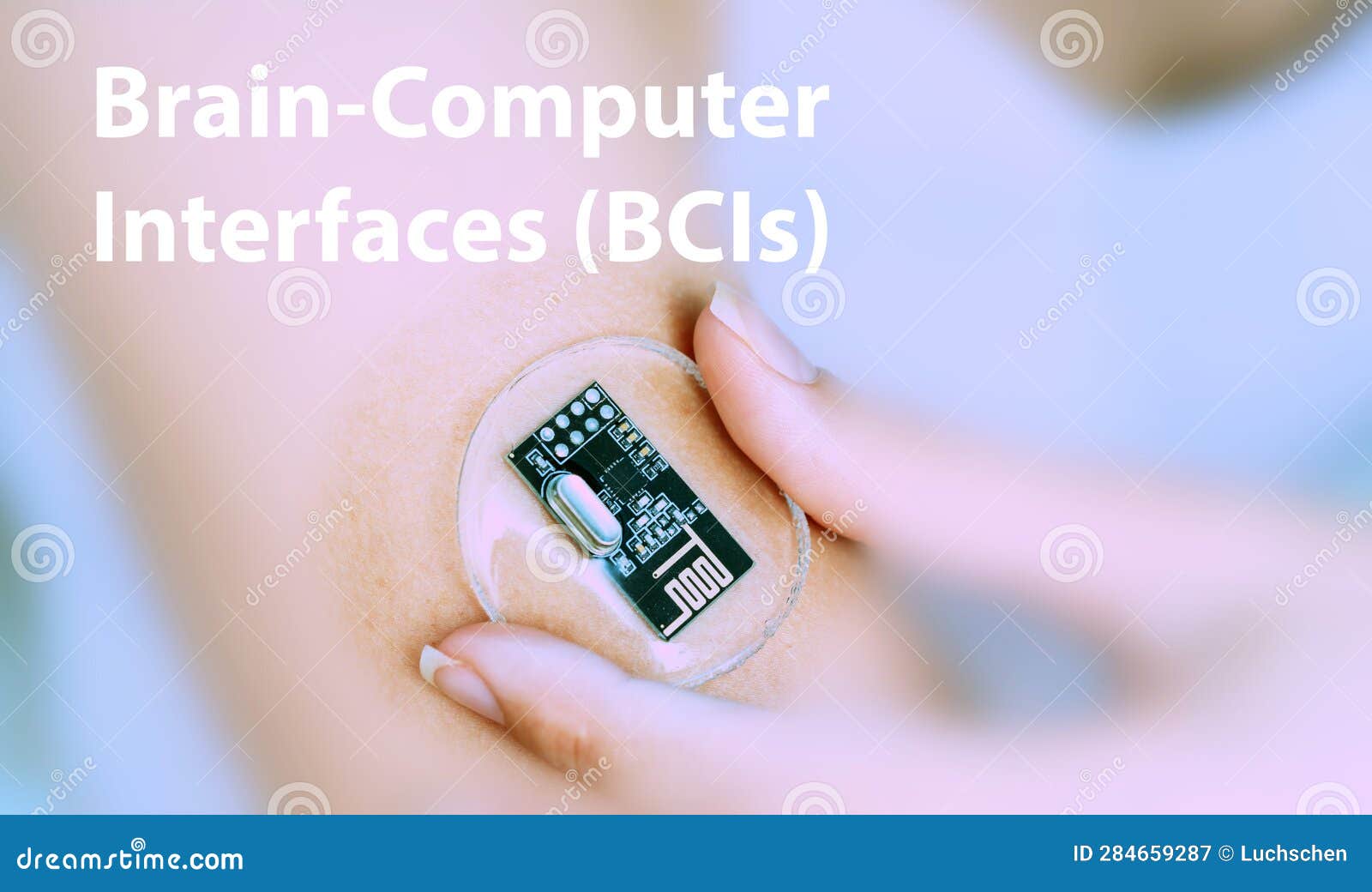
Brain-Computer Interfaces (BCIs) are systems that enable humans to control technology with their thoughts, using various signals detected by electroencephalography (EEG), functional near-infrared spectroscopy (fNIRS), and other techniques. BCIs have the potential to revolutionize the way people interact with computers, and even restore communication for individuals with severe paralysis or neurodegenerative diseases. In this article, we will delve into the fascinating world of BCIs, exploring their history, working principles, applications, and the latest developments in this rapidly evolving field.
The concept of BCIs dates back to the 1960s, when scientists first experimented with using EEG signals to control simple devices. However, it wasn't until the 1980s that the first practical BCIs emerged, enabling users to control computer cursors with their thoughts. Since then, BCIs have advanced significantly, with researchers developing more sophisticated algorithms and sensor systems to detect a wider range of brain signals.
The Science behind BCIs
How BCIs Work
BCIs work by detecting and interpreting brain signals, typically generated by electrical activity in the cerebral cortex. These signals are then translated into digital commands, which can be used to control various devices, including computers, prosthetic limbs, and even robots. The process involves several key steps:
*
Signal detection: BCIs use various sensors to detect brain signals, including EEG electrodes, fNIRS sensors, and other techniques such as electromyography (EMG) or functional magnetic resonance imaging (fMRI).
*
Signal processing: The detected brain signals are processed using advanced algorithms to filter out noise, enhance the signal-to-noise ratio, and extract relevant features.
*
Decoding: The processed brain signals are then decoded into digital commands, which can be used to control devices.
*
Feedback: BCIs often provide users with feedback in the form of visual or auditory signals, which helps them learn how to control the system more effectively.
Applications of BCIs
BCIs have a wide range of applications, including:
*
Assistive technologies: BCIs can enable people with severe paralysis or neurodegenerative diseases to communicate with others, creating a means of expression and interaction.
*
Video game control: BCIs can allow players to control video games with their thoughts, providing a new level of immersive gaming experience.
*
Prosthetic control: BCIs can enable people with amputations to control prosthetic limbs, restoring their motor functions and improving their quality of life.
*
Brain-machine interface (BMI): BCIs can be used to create BMIs, which can enable humans to interact with computers and other devices using their thoughts.
Current Developments in BCIs
The field of BCIs is rapidly evolving, with researchers exploring new techniques and applications:
*
Advanced algorithms: Researchers are developing more sophisticated algorithms to detect and decode brain signals, improving the accuracy and reliability of BCIs.
*
Neural prosthetics: BCIs are being used to develop neural prosthetics, which can restore motor functions in individuals with paralysis or amputation.
*
BCI-based telepresence: BCIs can enable users to control robots, restoring their mobility and enabling them to interact with others remotely.
*
Brain-computer interfaces for cognitive enhancement: BCIs are being explored for use in cognitive training and enhancement, with the goal of improving cognitive function in individuals with neurological disorders or injuries.
In conclusion, BCIs have the potential to revolutionize the way we interact with computers and other devices, restoring communication and improving the quality of life for individuals with severe paralysis or neurodegenerative diseases. As the field continues to advance, we can expect to see the development of more sophisticated algorithms, applications, and devices that leverage the power of BCIs.



Related Post
Your Complete Guide to BRP Instructions: Navigating the World of Boat Safety

The Master Narrative Weavers: An Exploration of Jonathan Steinberg's Role in Shaping Historical Discourse

Unveiling the Enigma: Sophia Viotto's Resurgence on Onlyfans

The Rise to Fame: Uncovering the Untold Truths of A Rising Star's Journey


