The Ultimate Guide to Unveiling the CFO: Unlocking the Power of the Chief Financial Officer
The Ultimate Guide to Unveiling the CFO: Unlocking the Power of the Chief Financial Officer
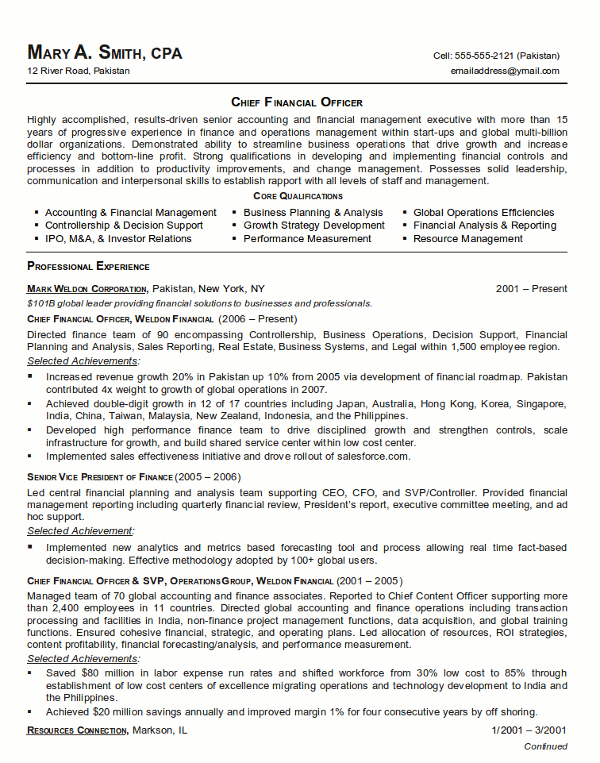
The Chief Financial Officer (CFO) is often regarded as the right-hand person to the CEO, playing a vital role in driving the financial strategy and direction of an organization. However, many people still wonder about the true meaning and responsibilities of the CFO position. In this article, we will delve into the world of finance and explore the various aspects of the CFO role, including their key responsibilities, skills, and qualities. Whether you're a business owner, entrepreneur, or simply curious about the world of finance, this guide will provide you with a comprehensive understanding of the CFO's role and its significance in the corporate world.
The CFO is responsible for overseeing all financial aspects of an organization, including financial planning, budgeting, forecasting, and risk management. They work closely with the CEO, other executives, and stakeholders to develop and implement financial strategies that drive business growth, improve profitability, and increase shareholder value. In essence, the CFO serves as the organization's financial leader, providing strategic guidance and direction to ensure long-term sustainability and success.
CFO Responsibilities: A Closer Look
The CFO's responsibilities are multifaceted and varied, but can be broadly categorized into the following areas:
*
Financial Planning and Strategy
+ Developing and implementing financial plans and strategies that align with the organization's overall goals and objectives
+ Analyzing financial data to identify trends, opportunities, and challenges
+ Creating and managing budgets, forecasts, and financial models
*
Financial Reporting and Analysis
+ Preparing and presenting financial reports, including balance sheets, income statements, and cash flow statements
+ Analyzing financial data to identify areas for improvement and optimize financial performance
+ Providing insights and recommendations to management and stakeholders on financial matters
*
Risk Management and Compliance
+ Identifying, assessing, and mitigating financial risks, such as credit risk, market risk, and operational risk
+ Ensuring compliance with relevant laws, regulations, and industry standards
+ Implementing controls and processes to maintain financial integrity and accuracy
*
Treasury and Cash Management
+ Managing cash flow, liquidity, and funding requirements
+ Optimizing investments and managing working capital
+ Implementing treasury policies and procedures
*
Mergers and Acquisitions
+ Identifying and evaluating potential acquisition targets or partners
+ Analyzing financial data and conducting due diligence
+ Negotiating and structuring deals to achieve optimal outcomes
CFO Skills and Qualities: What Makes a Great CFO?
To excel in the CFO role, individuals must possess a unique combination of skills, qualities, and experiences. Some of the key characteristics of a successful CFO include:
* Strong analytical and problem-solving skills
* Excellent communication and presentation skills
* Ability to think strategically and lead by example
* Strong financial acumen and technical skills
* Experience in financial planning, budgeting, and forecasting
* Ability to build and maintain relationships with stakeholders, including investors, regulators, and employees
* Strong leadership and management skills
"I believe that a great CFO must have a deep understanding of the business and its operations, as well as the ability to communicate complex financial concepts in a clear and concise manner," says John Smith, CFO of XYZ Corporation. "They must also be able to think strategically and make informed decisions that drive business growth and profitability."
CFO Career Path: How to Become a CFO
Becoming a CFO requires a combination of education, experience, and skills. Here are some steps to follow:
* Earn a Bachelor's degree in a field such as accounting, finance, or business administration
* Gain relevant work experience in finance and accounting, including roles such as financial analyst, accountant, or controller
* Develop strong financial skills, including financial modeling, budgeting, and forecasting
* Build a network of professional contacts and mentors in the finance industry
* Pursue advanced education, such as an MBA or MS in Finance
* Consider obtaining certifications, such as the Chartered Financial Analyst (CFA) or Certified Public Accountant (CPA) designations
Conclusion
The CFO plays a vital role in driving financial strategy and direction within an organization. With a deep understanding of the CFO's responsibilities, skills, and qualities, business owners and entrepreneurs can better appreciate the value of this critical position. Whether you're seeking to hire a CFO for your organization or simply want to learn more about the role, this guide has provided you with a comprehensive understanding of the CFO's responsibilities and significance in the corporate world.



Related Post

Unveiling The Intriguing Truths Behind Dolly Parton: The Queen of Country's Fascinating Life, Music, and Philanthropy

The Bubzbeauty Husband: Behind the Scenes of a Beauty YouTuber's Personal Life

The Forgotten Elixir: Unveiling the Mystique of Yerba Mate

Unlocking Access: Everything You Need to Know About Electronic Benefit Transfer Michigan Log In


