The Opinions Divide: A Deep Dive into the Psychology of Beliefs
The Opinions Divide: A Deep Dive into the Psychology of Beliefs
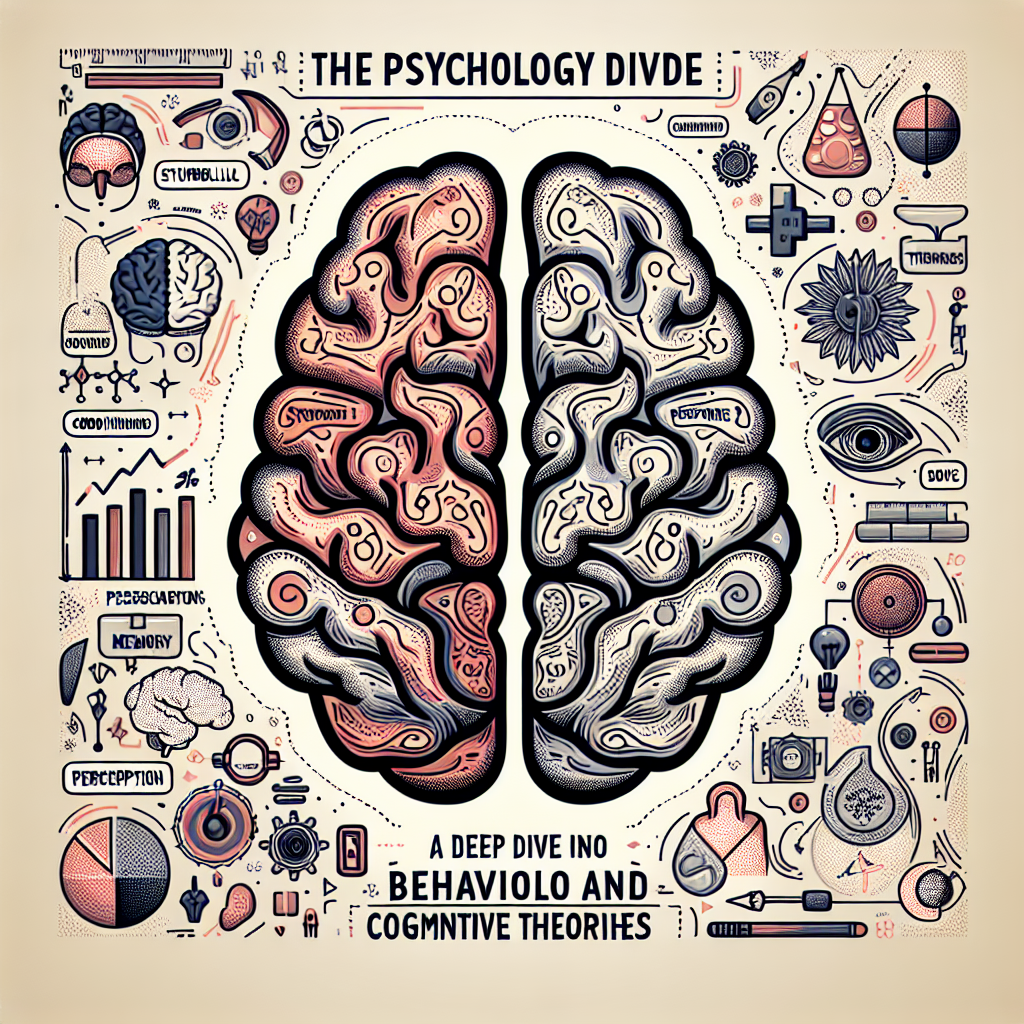
The opinions we hold are a fundamental aspect of our identity, shaping our interactions, decisions, and relationships. But have you ever stopped to consider the underlying psychology of our beliefs? Why do we hold certain opinions, and how do they influence our behavior? A growing body of research suggests that our opinions are not always a reflection of reality, but rather a complex interplay of cognitive biases, emotional influences, and social pressures.
This article delves into the intricacies of the opinions divide, exploring the psychological factors that contribute to our entrenched beliefs. We'll examine the role of cognitive dissonance, confirmation bias, and social identity theory, and discuss the implications for our personal and collective well-being.
The Psychology of Opinions: A Brief Overview
Before we dive into the specifics, let's take a step back to understand the basics. Opinions are a fundamental aspect of human cognition, influenced by a combination of genetic and environmental factors. Research suggests that opinions are shaped by:
* **Cognitive biases**: Systematic errors in thinking that lead to distorted perceptions and judgments. For example, confirmation bias refers to the tendency to seek out information that confirms our existing opinions.
* **Emotional influences**: Emotions play a significant role in shaping our opinions, often unconsciously influencing our decision-making processes.
* **Social pressures**: Social norms, peer pressure, and group identity can all contribute to the formation and maintenance of our opinions.
The Role of Cognitive Dissonance
Cognitive dissonance refers to the uncomfortable feeling that arises when we hold two conflicting opinions or engage in behavior that contradicts our values. This phenomenon was first identified by psychologist Leon Festinger in the 1950s and has since been extensively studied.
When we encounter conflicting information or experiences, our brain experiences a sense of discomfort, prompting us to seek out ways to reduce the dissonance. This can lead to a range of behaviors, including:
* **Denial**: We may deny or downplay the conflicting information to maintain our original opinion.
* **Justification**: We may rationalize or justify our original opinion to reduce the discomfort.
* **Change**: In some cases, we may re-evaluate our opinion and adapt it to align with the new information.
Confirmation Bias: The Tendency to Seek Out Confirmation
Confirmation bias is a pervasive cognitive bias that refers to the tendency to seek out information that confirms our existing opinions. This bias is so powerful that it can lead us to:
* **Selectively seek out information**: We may selectively seek out information that confirms our opinion, while ignoring or downplaying contradictory evidence.
* **Interpret ambiguous information**: We may interpret ambiguous or neutral information in a way that confirms our opinion.
* **Discount opposing views**: We may discount or dismiss opposing views as invalid or irrelevant.
Where Does Confirmation Bias Come From?
Confirmation bias is thought to arise from a combination of factors, including:
* **Evolutionary pressures**: Our brains are wired to conserve energy and reduce cognitive dissonance, making it more efficient to seek out confirming information.
* **Social pressures**: We are often surrounded by social networks that reinforce our existing opinions, making it more likely that we'll seek out confirming information.
* **Cognitive shortcuts**: We often rely on mental shortcuts, such as heuristics and biases, to make decisions quickly and efficiently.
The Power of Social Identity Theory
Social identity theory suggests that our sense of self is closely tied to our group memberships and social identities. When we encounter conflicting information or opinions, our social identity can influence our response in several ways:
* **Group loyalty**: We may feel a strong sense of loyalty to our group and its opinions, leading us to defend or promote those opinions.
* **In-group bias**: We may exhibit bias towards our in-group, perceiving our group as superior or more moral than other groups.
* **Out-group bias**: We may exhibit bias towards out-groups, viewing them as inferior or threatening.
The Implications for Personal and Collective Well-being
Understanding the psychology of opinions has significant implications for our personal and collective well-being. By recognizing the role of cognitive biases, emotional influences, and social pressures, we can:
* **Develop more nuanced opinions**: By acknowledging the complex interplay of factors that shape our opinions, we can strive for more informed and balanced perspectives.
* **Engage in constructive dialogue**: By recognizing the role of cognitive biases and social pressures, we can engage in more constructive dialogue and critically evaluate opposing views.
* **Foster a culture of empathy and understanding**: By acknowledging the psychological factors that shape our opinions, we can foster a culture of empathy and understanding, leading to more harmonious and respectful relationships.
Conclusion
The opinions divide is a complex and multifaceted phenomenon, influenced by a range of psychological factors. By understanding the role of cognitive biases, emotional influences, and social pressures, we can develop more nuanced opinions, engage in constructive dialogue, and foster a culture of empathy and understanding. As we move forward, it's essential to recognize the psychological factors that shape our opinions and strive for more informed, balanced, and respectful perspectives.


Related Post

The Controversy Surrounding Jordan Peele's Sexual Orientation: Separating Fact from Fiction

Unveiling the Secrets Behind Joyce Meyer's Stunning Net Worth: A Journey of Faith, Hard Work, and Philanthropy

Unveiling the Shocking Truth: How Much Does Neymar Weigh?

Meet Narriman Sadek: The Egyptian Feminist Icon Captivating the World