The Monroe Doctrine: A Cornerstone of U.S. Foreign Policy
The Monroe Doctrine: A Cornerstone of U.S. Foreign Policy
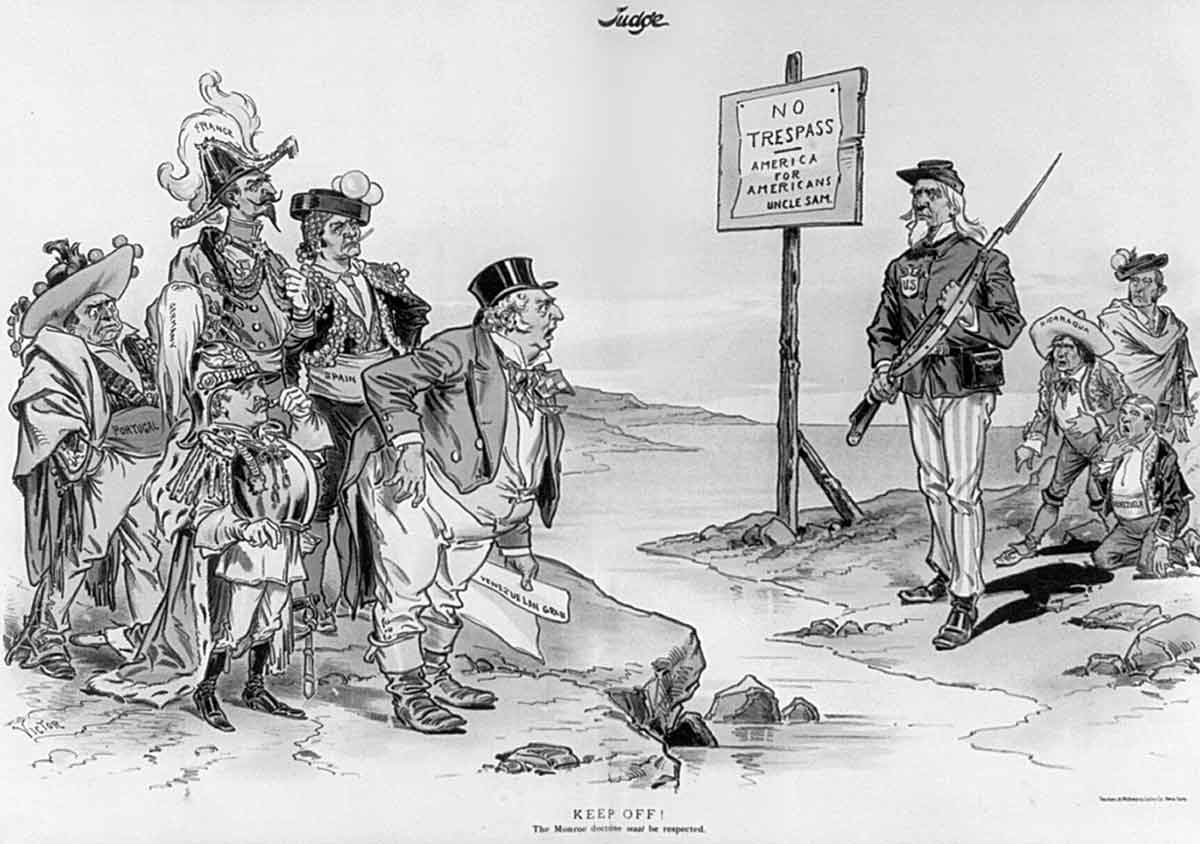
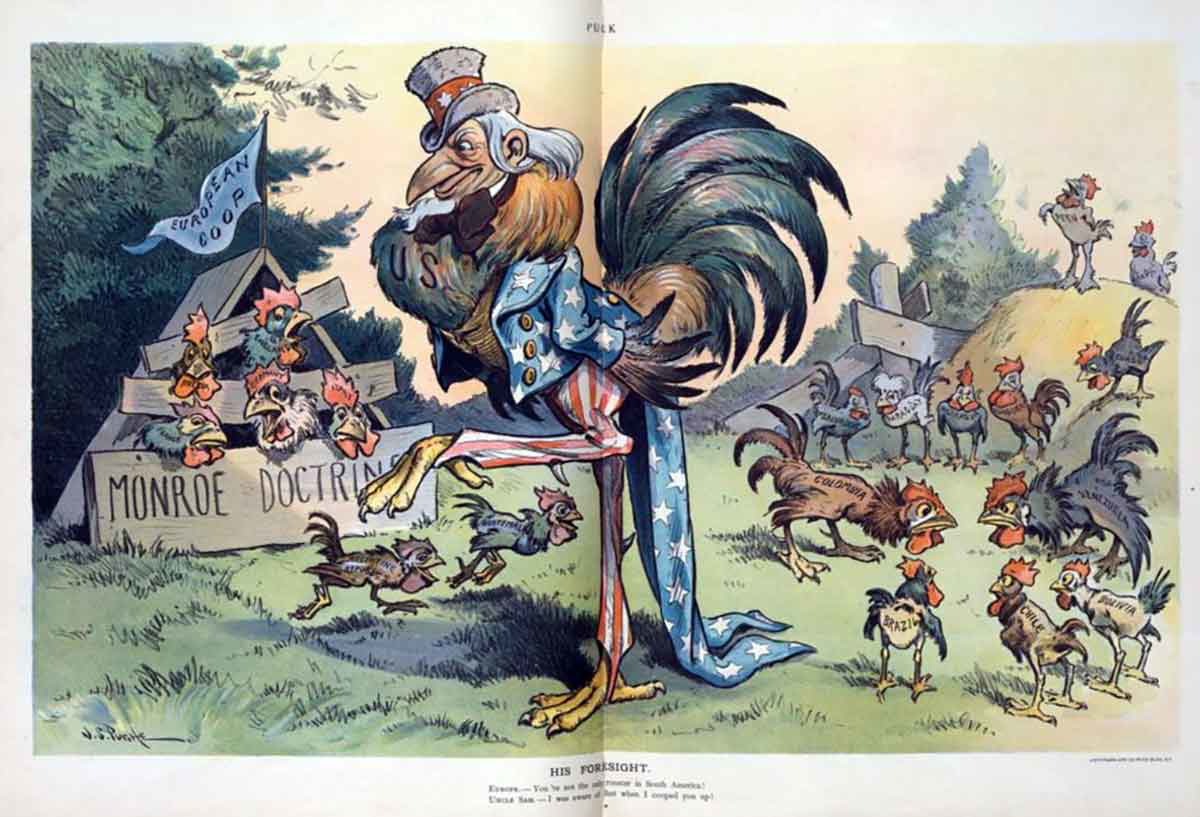
The Monroe Doctrine, first articulated by President James Monroe in 1823, remains a cornerstone of U.S. foreign policy, guiding the country's approach to the Americas and shaping its relationship with the rest of the world. This doctrine, which states that the United States would not tolerate further European colonization in the Americas, has undergone significant revisions and reinterpretations over the years, yet its core principles continue to influence U.S. foreign policy.
At its core, the Monroe Doctrine was a response to European powers' attempts to reassert control over their former colonies in the Americas. The doctrine was a call to action, urging the United States to take a more active role in protecting the newly independent nations of the Western Hemisphere from European interference. This doctrine has had a lasting impact on U.S. foreign policy, shaping the country's approach to regional security, economic development, and international relations.
The doctrine's origins date back to the early 19th century, when European powers, including Britain, France, and Spain, began to reassert their control over their former colonies in the Americas. The Monroe Administration, which included President James Monroe and his Secretary of State, John Quincy Adams, responded by issuing a formal declaration that the United States would not tolerate further European colonization in the Americas.
The Monroe Doctrine has undergone significant revisions and reinterpretations over the years. In 1904, President Theodore Roosevelt articulated the Roosevelt Corollary, which expanded the doctrine to include the idea that the United States would intervene in the affairs of Latin American countries to maintain regional stability and protect U.S. interests. This corollary has been widely criticized for its paternalistic tone and its implications for U.S. foreign policy in the region.
Today, the Monroe Doctrine remains a cornerstone of U.S. foreign policy, influencing the country's approach to regional security, economic development, and international relations. While the doctrine's original language and intent have been subject to various interpretations, its core principles continue to shape U.S. foreign policy in the Americas and beyond.
Key Principles of the Monroe Doctrine
The Monroe Doctrine is based on several key principles, including:
1. Non-Interference in European Affairs
The Monroe Doctrine states that the United States will not interfere in European affairs, including European conflicts and alliances. This principle was a key component of the original doctrine, as it reflected the United States' desire to avoid involvement in European conflicts and maintain a policy of neutrality.
2. Protection of the Americas from European Colonization
The doctrine's second principle was that the United States would not tolerate further European colonization in the Americas. This principle was a direct response to European powers' attempts to reassert control over their former colonies in the region.
3. Promotion of Regional Stability and Security
The Monroe Doctrine's third principle was that the United States would promote regional stability and security in the Americas. This principle has been interpreted in various ways over the years, including through the Roosevelt Corollary, which expanded the doctrine to include U.S. intervention in the affairs of Latin American countries.
Controversies and Criticisms
The Monroe Doctrine has been the subject of controversy and criticism over the years, particularly with regard to its implications for U.S. foreign policy in the Americas. Some of the key criticisms include:
1. Paternalism and Interventionism
Many critics argue that the Monroe Doctrine has been used as a justification for U.S. interventionism in the Americas, with the United States imposing its will on Latin American countries and disregarding their sovereignty. This criticism is particularly relevant in the context of the Roosevelt Corollary, which expanded the doctrine to include U.S. intervention in the affairs of Latin American countries.
2. Eurocentrism and Ignoring the Needs of Latin America
Others argue that the Monroe Doctrine has been used to perpetuate a Eurocentric view of the Americas, with the United States prioritizing its own interests and ignoring the needs and concerns of Latin American countries.
Impact on U.S. Foreign Policy
The Monroe Doctrine has had a lasting impact on U.S. foreign policy, shaping the country's approach to regional security, economic development, and international relations. Some of the key impacts include:
1. Regional Security
The Monroe Doctrine has been used to justify U.S. intervention in regional conflicts, including the Cuban Missile Crisis and the Vietnam War. This has led to ongoing debates about the role of the United States in regional security and its responsibilities to protect its neighbors.
2. Economic Development
The doctrine has also been used to justify U.S. economic interventions in the region, including through trade agreements and investment policies. This has led to ongoing debates about the impact of U.S. economic policies on Latin American countries and the balance of power in the region.
3. International Relations
The Monroe Doctrine has also shaped U.S. international relations, particularly with regard to its relationships with European powers and other regional actors. This has led to ongoing debates about the role of the United States in international relations and its responsibilities to uphold global stability and security.
Reinterpretations and Revisions
The Monroe Doctrine has undergone significant reinterpretations and revisions over the years, particularly in the context of changing global circumstances and shifting U.S. foreign policy priorities. Some of the key reinterpretations and revisions include:
1. The Roosevelt Corollary
As mentioned earlier, the Roosevelt Corollary expanded the doctrine to include U.S. intervention in the affairs of Latin American countries. This corollary has been widely criticized for its paternalistic tone and its implications for U.S. foreign policy in the region.
2. The Good Neighbor Policy
In the 1930s, the United States introduced the Good Neighbor Policy, which aimed to improve relations with Latin American countries and reduce U.S. interventionism in the region. This policy marked a significant shift away from the Monroe Doctrine's original language and intent.
3. The Inter-American System
In the mid-20th century, the United States helped establish the Inter-American System, a regional organization aimed at promoting economic development, security, and stability in the Americas. This system built on the Monroe Doctrine's principles but also sought to promote greater cooperation and mutual respect among Latin American countries.
Conclusion
The Monroe Doctrine remains a cornerstone of U.S. foreign policy, shaping the country's approach to regional security, economic development, and international relations. While the doctrine's original language and intent have been subject to various interpretations, its core principles continue to influence U.S. foreign policy in the Americas and beyond. As the world continues to evolve, the Monroe Doctrine will likely continue to shape U.S. foreign policy, with ongoing debates about its relevance, implications, and impact on the region.


Related Post
Monroe Doctrine: A Foundational Principle of American Foreign Policy

Unveiling the Most Wanted: Expect a Shock with the Latest Erj Mugshots 2024

Experience the Flavors of Northfield: The Ultimate Dining Guide to South Minneapolis's Hidden Gem

Unlocking the Secrets of Carlos Alman Age: The Rise of the New Digital Astounding Numerical Modeling Art