The Life, Works, and Influence of Maimonides: A Jewish Scholar's Enduring Legacy
The Life, Works, and Influence of Maimonides: A Jewish Scholar's Enduring Legacy
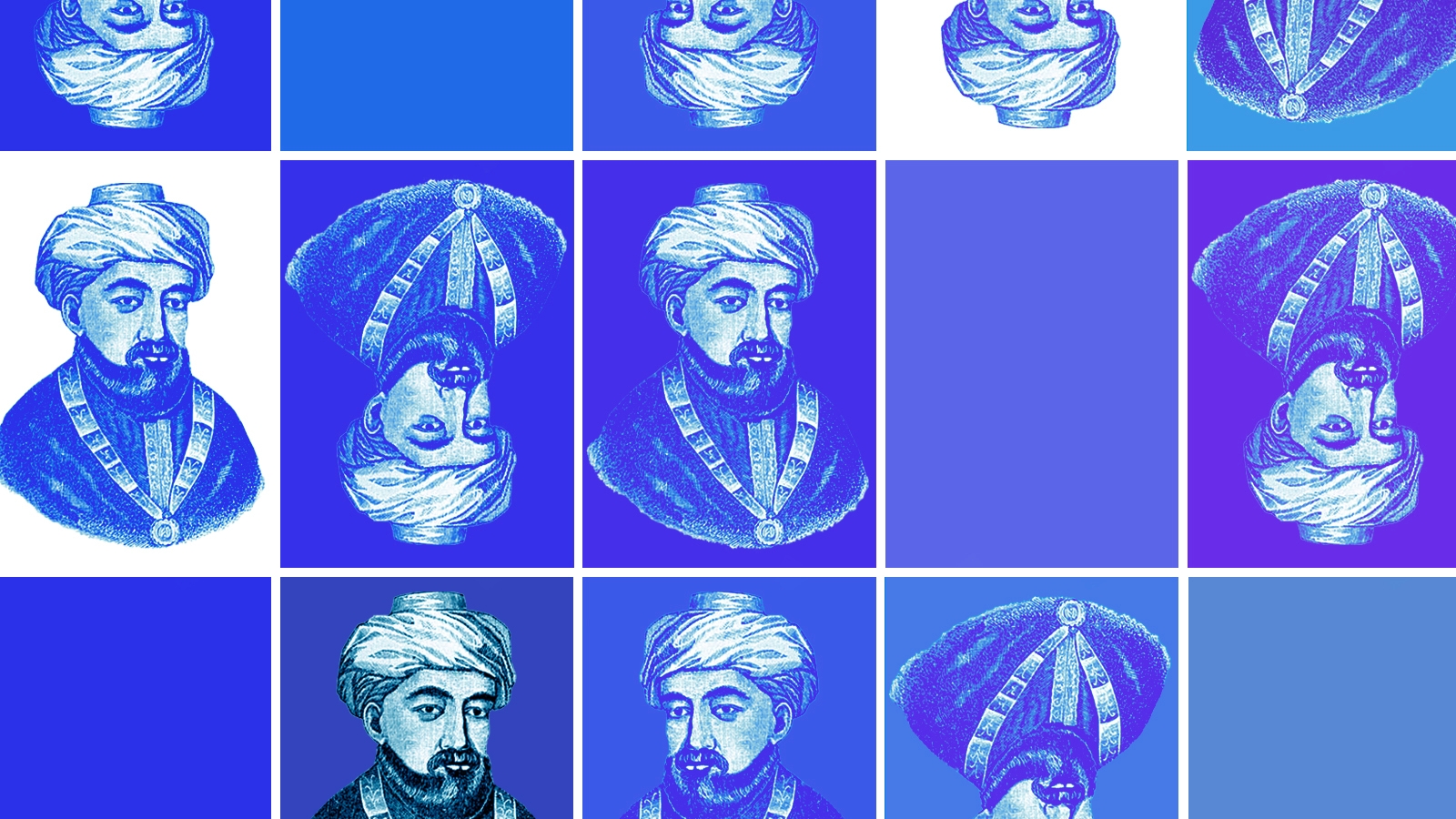
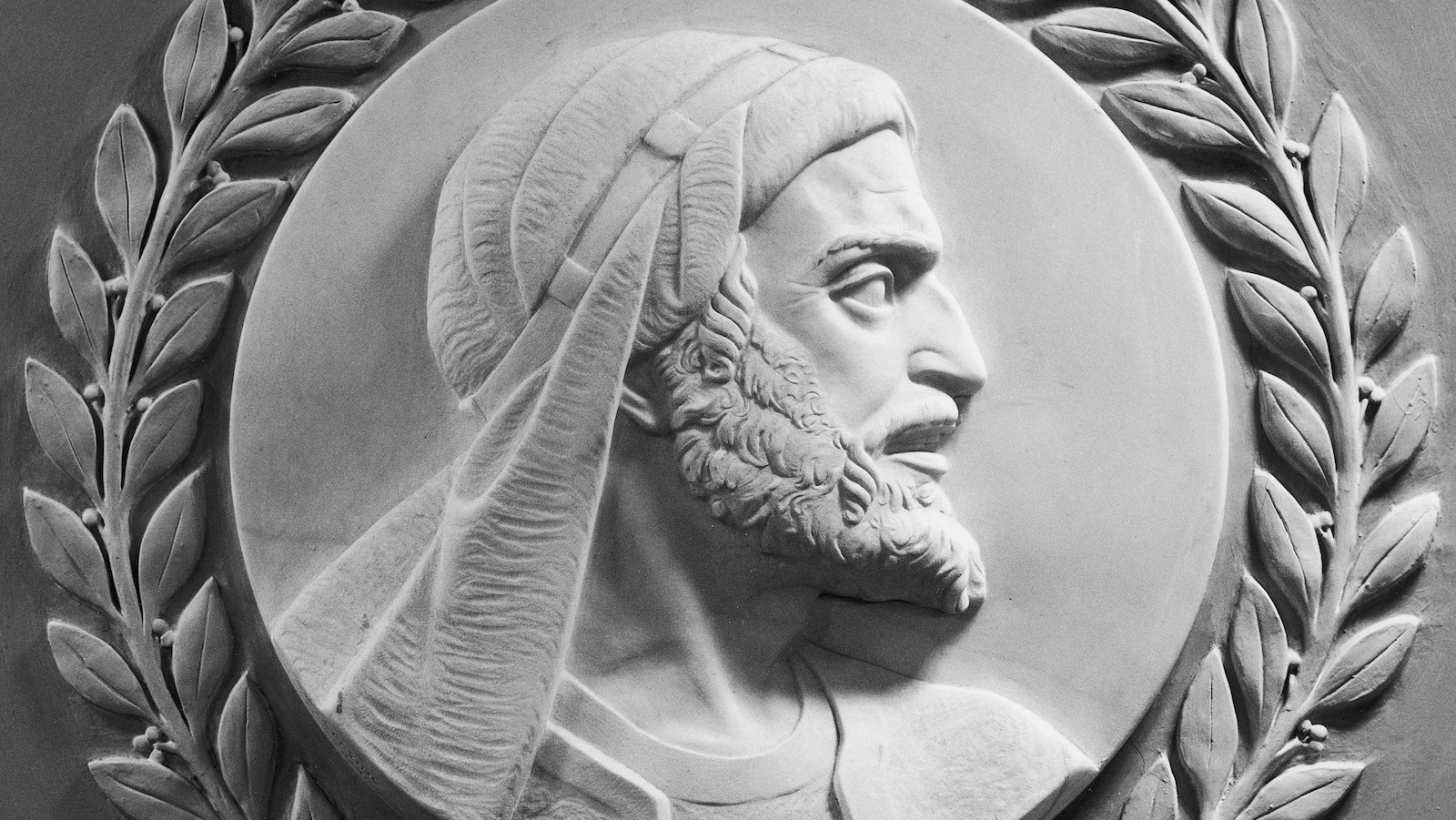
Maimonides, one of the most influential Jewish scholars of the Middle Ages, left an indelible mark on Jewish thought, philosophy, and medicine. Born in Cordoba, Spain in 1135, Maimonides' life was a testament to his unwavering dedication to learning and his unshakeable commitment to his faith. As a physician, philosopher, and Talmudic commentator, Maimonides' works continue to shape Jewish tradition and inspire scholars to this day.
Throughout his life, Maimonides grappled with the complex relationship between faith and reason, a central concern that defined his philosophical and theological writings. In his magnum opus, "The Guide for the Perplexed," Maimonides explored the nature of God, the universe, and human existence, offering a nuanced and profound understanding of the human condition. As he wrote, "The law is a light, and it is up to each person to use his reason to understand it."
Maimonides' impact extends far beyond the realm of Jewish thought. His contributions to medicine, in particular, were groundbreaking. As a physician to the Jewish community in Egypt, Maimonides developed a comprehensive medical system that integrated the teachings of Galen with his own observations and insights. His medical works, including "The Treatise on Asthma" and "The Treatise on Poisons," remain essential reading for scholars of medical history.
The Life and Times of Maimonides
Maimonides was born into a family of Jewish scholars and merchants in Cordoba, a city that was then a major center of Jewish learning and culture. At the time, Cordoba was a melting pot of cultures, with Muslims, Christians, and Jews coexisting and interacting in a complex web of relationships. Maimonides' family was part of this vibrant community, and his early education reflects the diverse influences of his surroundings.
Maimonides' formal education began at a young age, and he quickly demonstrated a prodigious talent for learning. His father, a respected Talmudic scholar, recognized his son's potential and encouraged him to pursue his studies. As a young man, Maimonides was particularly drawn to the works of Aristotle, whose philosophical ideas would later shape his own thinking.
However, Maimonides' life took a dramatic turn in 1148, when he was forced to flee Cordoba due to the city's persecution of Jews. He eventually settled in Fes, Morocco, where he continued his studies and began to establish himself as a leading scholar. In 1165, Maimonides traveled to Egypt, where he would spend the remainder of his life.
Maimonides' Works: A Lasting Legacy
Maimonides' literary output was staggering, and his works continue to be studied and debated by scholars today. His most famous work, "The Guide for the Perplexed," is a monumental tome that explores the nature of God, the universe, and human existence. In this work, Maimonides develops a complex philosophy that seeks to reconcile the teachings of the Torah with the principles of reason.
Maimonides' other notable works include "The Mishneh Torah," a comprehensive code of Jewish law, and "The Commentary on the Mishnah," a detailed analysis of the Talmud. His medical works, such as "The Treatise on Asthma" and "The Treatise on Poisons," demonstrate his mastery of the medical sciences and his ability to synthesize knowledge from diverse sources.
Maimonides' Influence: A Lasting Impact on Jewish Thought
Maimonides' influence on Jewish thought is impossible to overstate. His philosophical ideas, in particular, have had a profound impact on the development of Jewish philosophy and theology. As one scholar noted, "Maimonides' philosophy is a bridge between the rationalism of Greek philosophy and the tradition of Jewish thought."
Maimonides' writings on the nature of God, the universe, and human existence have shaped the way Jews think about their faith and their place in the world. His concept of God as a unified, indivisible whole, and his emphasis on the importance of reason and intellect in understanding the divine, have influenced generations of Jewish scholars and thinkers.
The Modern Significance of Maimonides
Maimonides' legacy extends far beyond the Middle Ages. His ideas on the nature of God, the universe, and human existence continue to resonate with scholars and thinkers today. As a philosopher, Maimonides' work remains relevant to contemporary debates on the relationship between faith and reason.
In the field of medicine, Maimonides' contributions continue to be recognized and celebrated. His medical works, including "The Treatise on Asthma" and "The Treatise on Poisons," remain essential reading for scholars of medical history.
Maimonides' influence can also be seen in the way he approached learning and scholarship. As a polymath, Maimonides embodied the ideal of the Renaissance humanist, whose curiosity and love of learning knew no bounds. As he wrote, "The universe is a book, and it is up to each person to read and understand it."
Conclusion
Maimonides' life, works, and influence have left an indelible mark on Jewish thought, philosophy, and medicine. As a scholar, philosopher, and physician, Maimonides embodied the ideal of the Renaissance humanist, whose curiosity and love of learning knew no bounds. His legacy continues to inspire scholars and thinkers today, and his ideas on the nature of God, the universe, and human existence remain as relevant and timely as ever.


Related Post

Stephenville's Hidden Gem: Uncovering the Truth About the Small Town's Big Impact

Unveiling the Story of Mays Funeral Home Augusta Ga Obituaries: A Legacy of Compassion and Respect

The Controversial Height of Donald Trump: Separating Fact from Fiction

The Timeless War Cry: Unpacking the History and Significance of Auburn Football's "War Eagle" Fight Song


