The All-Pervasive Eye of Big Brother: A Glimpse into a Dystopian Future
The All-Pervasive Eye of Big Brother: A Glimpse into a Dystopian Future
In George Orwell's dystopian masterpiece, 1984, the concept of a totalitarian government is taken to its most extreme limits. Big Brother, the omniscient and omnipresent leader, exercises total control over the citizens of Oceania, suppressing individuality, freedom, and independent thought. As we delve into the world of 1984, we are reminded of the importance of protecting our civil liberties and the dangers of unchecked government power. This article explores the key aspects of Big Brother's regime and its implications for our own society.
The notion of a all-pervasive surveillance state has become a staple of modern politics, with many countries employing advanced technologies to monitor their citizens' activities. However, in 1984, the concept takes on a far more sinister tone. Big Brother's regime is characterized by a pervasive sense of fear, where citizens are constantly aware of being watched and judged. As Orwell himself noted, "If liberty means anything at all, it means the right to tell people what they do not want to hear." This idea is exemplified in the Ministry of Truth, where propaganda and disinformation are used to shape public opinion and control the narrative.
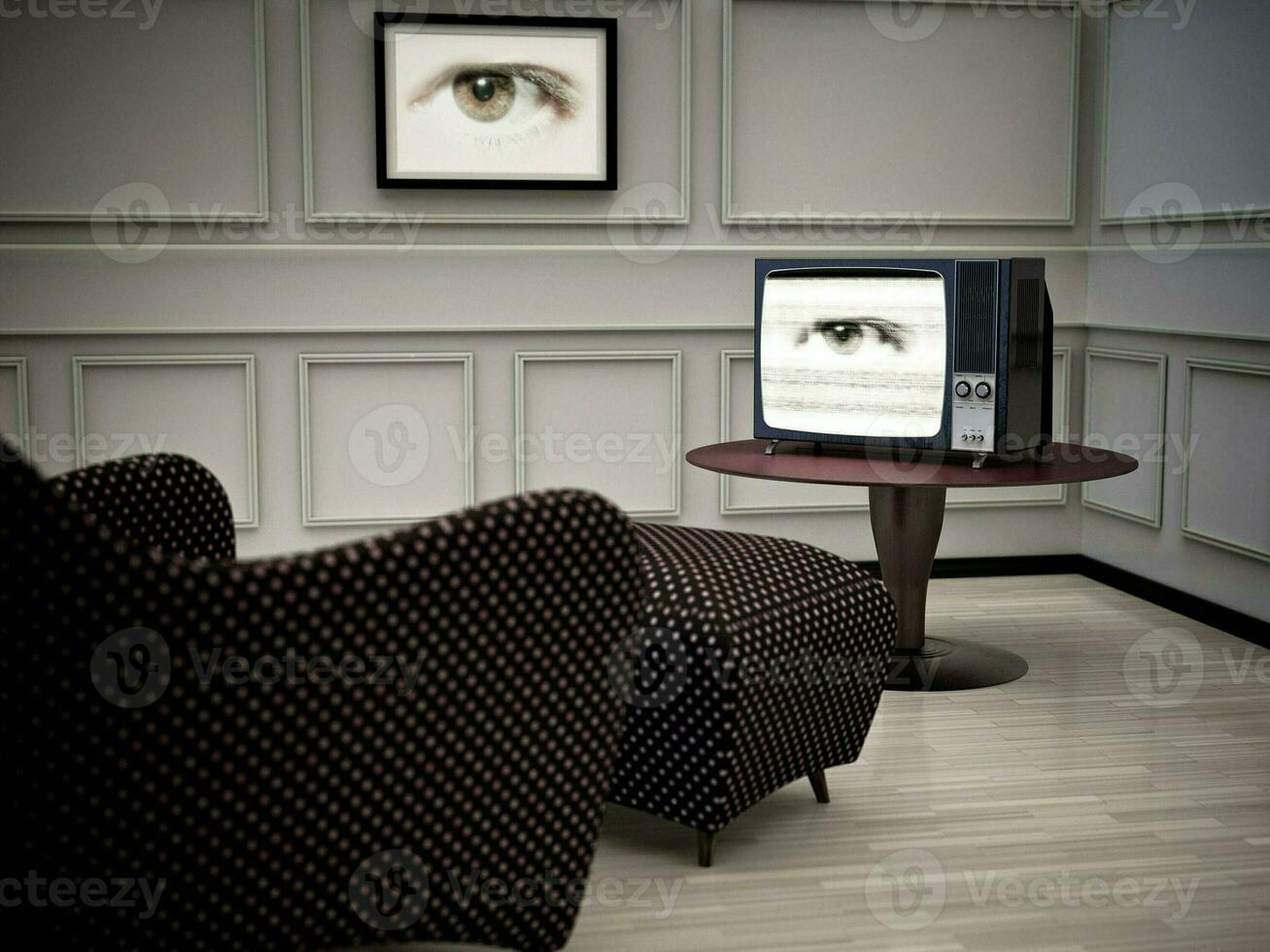
One of the most striking aspects of Big Brother's regime is the ubiquity of telescreens, which serve as both entertainment devices and surveillance tools. Citizens are forced to watch the same programs and broadcasts repeatedly, with the telescreen also serving as a means of monitoring their activities. As Winston Smith, the protagonist of 1984, notes, "There was of course no way of knowing whether you were being watched at any given moment. How often, or on what system, the Thought Police plugged in on any individual wire was guesswork." This constant sense of being watched is a hallmark of the totalitarian state, where citizens are unable to escape the prying eyes of the authorities.
The Mechanics of Control
Big Brother's regime relies heavily on a complex network of spies, informants, and surveillance technologies to maintain control. The Thought Police, an elite corps of agents tasked with rooting out dissent and rebellion, are ever-present, using a range of techniques to monitor and intimidate citizens. This includes the use of informants, who are encouraged to report any suspicious behavior or dissenting opinions to the authorities.
The Party's control extends beyond the physical realm, with its ideology and propaganda permeating every aspect of life. Education, media, and even language itself are all used to shape public opinion and reinforce the Party's ideology. As Orwell wrote, "The really important thing was to think right, not to act right. If you thought right, you would act right." This emphasis on thought control is a hallmark of totalitarian regimes, where the government seeks to shape not just behavior, but also the very thoughts and attitudes of its citizens.
The Role of Technology
In 1984, technology plays a central role in maintaining the Party's control. The telescreen, a device that combines the functions of a television and a surveillance camera, is ubiquitous in citizens' homes and workplaces. This device allows the authorities to monitor and control citizens' activities, as well as broadcast propaganda and disinformation. As Winston notes, "It was only by means of the telescreen that they could exercise such an exact control over his habits and thoughts."
The Party also employs advanced technologies to track and identify citizens, including face recognition software and biometric identification systems. These technologies allow the authorities to monitor citizens' movements and activities, as well as identify potential threats to the regime. As Orwell wrote, "The telescreen received and transmitted simultaneously. Any victim, any rebel, could be caught and identified by his or her own television."
The Dangers of a Surveillance State
While the idea of a surveillance state may seem like the stuff of science fiction, it is a very real concern in many countries today. The use of advanced technologies to monitor citizens' activities has raised concerns about privacy, civil liberties, and the potential for government overreach. As Edward Snowden, a former NSA contractor who leaked classified information about the agency's surveillance programs, noted, "We're not talking about taking away freedom of speech, we're talking about taking away the ability to act on that freedom."
The dangers of a surveillance state are numerous, and include the erosion of civil liberties, the suppression of dissent, and the stigmatization of minority groups. As Orwell noted, "Freedom is the freedom to say that two plus two equals four. If that is granted, all else follows." In a society where citizens are constantly aware of being watched and judged, the space for free expression and independent thought is severely curtailed.
Cases of Surveillance Abuse
There have been numerous cases of surveillance abuse around the world, highlighting the dangers of unchecked government power. One notable example is the NSA's PRISM program, which was exposed by Edward Snowden in 2013. This program allowed the NSA to collect data on millions of Americans' phone calls and internet activity, raising concerns about the agency's ability to spy on citizens.
Another example is the use of facial recognition software in China, which has been used to track and identify citizens in real-time. This technology has raised concerns about the potential for mass surveillance and the suppression of dissent. As Amnesty International noted, "The use of facial recognition technology raises serious concerns about the right to anonymity, the right to privacy, and the right to freedom of expression."
The Importance of Protecting Civil Liberties
As we explore the world of 1984, it is clear that the dangers of a totalitarian regime are very real. However, it is also important to recognize that the protections we have in place to safeguard our civil liberties are fragile and easily eroded. As Winston notes, "You have to be able to think of something better than 'war is hell' to keep the gears going." In order to prevent the erosion of our civil liberties, it is essential that we remain vigilant and proactive in protecting our rights and freedoms.
One way to do this is to promote transparency and accountability in government. This includes demanding that governments provide clear explanations for their actions and policies, as well as ensuring that citizens have access to information about government surveillance programs. As the Electronic Frontier Foundation noted, "Transparency is essential to ensuring that surveillance is carried out in a way that is proportionate, necessary, and subject to oversight."
Conclusion
The world of 1984 is a stark reminder of the dangers of unchecked government power and the importance of protecting our civil liberties. As we navigate the complex landscape of surveillance and control, it is essential that we remain vigilant and proactive in promoting transparency, accountability, and individual freedom. By recognizing the threats to our rights and freedoms, we can work towards creating a more just and equitable society, where citizens are free to think, express themselves, and live without fear of persecution.
As Orwell wrote, "Freedom is the freedom to say that two plus two equals four. If that is granted, all else follows." In a world where the line between reality and propaganda is constantly blurred, it is more important than ever that we defend our right to truth, our right to express ourselves freely, and our right to live without fear of the all-pervasive eye of Big Brother.


Related Post
Unpacking the Loaded Term: What Is A Segregationist?
The Smaller-Battle Rages On: Exploring the Municipal Debt Crisis in Grant County Wisconsin

Honor Of Kings: How To Download And Start Playing
Unveiling the Finances of a Music Legend: Bert McCracken Net Worth


