H2O to H2: How Hydrogen is Sparking a Green Energy Revolution in Brazil
H2O to H2: How Hydrogen is Sparking a Green Energy Revolution in Brazil
Brazil, the largest economy in Latin America, has been making significant strides in adopting clean energy sources to power its economy. One of the most promising alternatives to fossil fuels is hydrogen, a zero-emission fuel that has the potential to transform the country's energy landscape. The government has set ambitious targets to increase the use of renewable energy, with hydrogen playing a key role in this transition. In this article, we will explore the role of hydrogen in Brazil's green energy revolution and what it means for the country's energy future.
The use of hydrogen as a clean energy source is not new, but it has gained significant attention in recent years due to its potential to reduce greenhouse gas emissions and mitigate climate change. In Brazil, the government has set a target to increase the use of renewable energy to 45% of the country's energy mix by 2030, with hydrogen-powered vehicles and power plants playing a crucial role in achieving this goal.
The Potential of Hydrogen in Brazil
Brazil is rich in renewable energy sources, including solar, wind, and hydroelectric power. The country has the world's largest hydroelectric dam, Itaipu, which generates over 100 billion kilowatt-hours of electricity per year. However, the country's energy matrix is still heavily reliant on fossil fuels, particularly diesel and gasoline. Hydrogen has the potential to bridge this gap and provide a clean alternative to these fossil fuels.
Hydrogen Production
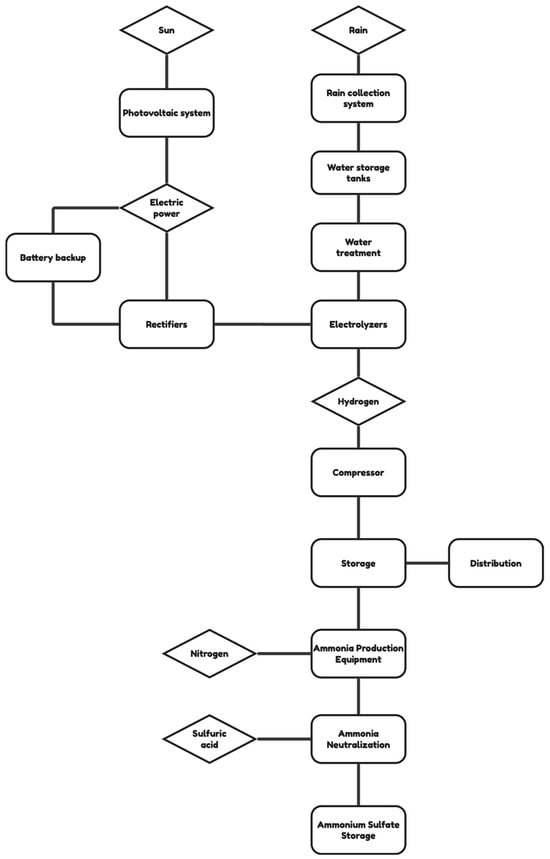
There are several methods of producing hydrogen, including electrolysis, steam methane reforming, and biomass gasification. Electrolysis is the most promising method, as it uses renewable energy sources to split water molecules into hydrogen and oxygen. This process is carbon-neutral and can be powered by solar or wind energy, making it an ideal solution for countries with abundant renewable energy resources.
CURRENT STATUS
Brazil has already made significant progress in developing its hydrogen industry. In 2020, the country launched its National Hydrogen Policy, which aims to promote the development of a domestic hydrogen industry and reduce the country's dependence on imported fossil fuels.
Government Support
The government has provided significant support for the development of the hydrogen industry, including funding for research and development, tax incentives, and investment in infrastructure. The government has also established a hydrogen-powered vehicle incentive program, which provides subsidies for the purchase of hydrogen-powered vehicles.
INDUSTRIAL SECTOR
The industrial sector is one of the largest consumers of energy in Brazil, accounting for over 30% of the country's energy consumption. Hydrogen has the potential to reduce energy costs and emissions in this sector, particularly in the production of steel, chemicals, and fertilizers.
Applications in Industry
Hydrogen has several applications in the industrial sector, including:
* Steel production: Hydrogen can be used to reduce iron ore and produce steel, replacing fossil fuels and reducing greenhouse gas emissions.
* Chemical production: Hydrogen can be used as a feedstock for the production of chemicals, such as ammonia and methanol.
* Fertilizer production: Hydrogen can be used to produce fertilizer, reducing the need for fossil fuels and minimizing emissions.
Infrastructure Development
The development of hydrogen infrastructure is crucial for the widespread adoption of hydrogen as a clean energy source. Brazil has made significant progress in this area, with the construction of several hydrogen fueling stations and the development of a national hydrogen transportation network.
Challenges and Opportunities
While the potential of hydrogen in Brazil is significant, there are still several challenges to be addressed, including:
* Cost: Hydrogen production is currently more expensive than traditional fossil fuels, making it less competitive in the market.
* Infrastructure: The development of hydrogen infrastructure is still in its infancy, with limited fueling stations and transportation networks.
* Public awareness: There is a need for public awareness and education about the benefits and potential of hydrogen as a clean energy source.
CONCLUSION
Hydrogen has the potential to play a crucial role in Brazil's transition to a low-carbon economy. The government's support for the development of the hydrogen industry, combined with the country's abundant renewable energy resources, makes Brazil an ideal location for the development of a domestic hydrogen industry. While there are still several challenges to be addressed, the potential benefits of hydrogen make it an exciting opportunity for the country's energy future.
References
*
EPE (2020) National Energy Balance 2020.
*
MME (2020) National Hydrogen Policy.
*
ABDHB (2020) Hydrogen in Brazil: Opportunities and Challenges.

Related Post

The Height of Hollywood Legend: Uncovering the Surprising Truth About Elliott Gould

The Rise of Spring Training Standings: The 2023 Season's Most Exciting MLB Contenders

Giant Eagle Jobs: Unlocking Exciting Career Opportunities in Retail and Beyond

The Devastating Impact of Social Media on Mental Health: A Growing Concern


