Everyone Will Feel It: The Domino Effect of Climate Change
Everyone Will Feel It: The Domino Effect of Climate Change
Climate change is one of the most pressing issues of our time, with far-reaching consequences that affect not only the environment but also the economy, human health, and social stability. The effects of climate change are interconnected and can be likened to a domino effect, where one event triggers a chain reaction of others. This article explores the various ways in which climate change will impact everyone, regardless of geographical location or socioeconomic status.
According to the Intergovernmental Panel on Climate Change (IPCC), the consequences of climate change will be felt across the globe, with some regions experiencing more severe impacts than others. Rising temperatures, changing precipitation patterns, and increased frequency of extreme weather events will lead to droughts, floods, and heatwaves, affecting the availability of food and water. The economic costs of climate change will be substantial, with estimates suggesting that the global economy will suffer losses of up to 11% by 2100 if greenhouse gas emissions continue to rise.
The Human Toll of Climate Change
Climate change is not just an environmental issue but also a human health crisis. The World Health Organization (WHO) estimates that between 2030 and 2050, climate change will cause approximately 250,000 additional deaths per year, mainly due to malnutrition, malaria, diarrhea, and heat stress. As the planet warms, heat-related illnesses and deaths will increase, particularly among the elderly and vulnerable populations. In addition, the changing climate will lead to the spread of disease-carrying insects, such as mosquitoes and ticks, which will further exacerbate health crises.
Beyond the human cost, climate change will also lead to mental health problems, including anxiety, depression, and post-traumatic stress disorder (PTSD). The stress and uncertainty caused by climate-related disasters, displacement, and changes in living conditions will take a toll on individuals and communities worldwide.
Climate Change and Food Security
Food security is another critical concern in the face of climate change. Rising temperatures and changing precipitation patterns will affect crop yields, leading to food shortages and increased prices. The IPCC projects that up to 15% of the global population will experience crop yield reductions, while the productivity of major crops such as maize, wheat, and rice will decline by 2-5% by 2030. This will have severe consequences for food security, particularly in areas already experiencing poverty and hunger.
The Economic Consequences of Climate Change
The economic costs of climate change will be substantial, with estimates suggesting that the global economy will suffer losses of up to 11% by 2100 if greenhouse gas emissions continue to rise. The impact on businesses and industries will be particularly pronounced, with supply chains and markets affected by climate-related disruptions.
Climate change will also lead to increased costs associated with disaster recovery and infrastructure damage. The cost of a single natural disaster can be staggering, with the 2017 Puerto Rico hurricane, Maria, causing an estimated $90 billion in damages. The frequent and intense natural disasters triggered by climate change will make infrastructure investments less efficient and more costly.
The Ripple Effect on Economies
The economic impact of climate change will have a ripple effect on economies worldwide. Rising temperatures and changed precipitation patterns will lead to:
• Changes in global supply chains and commodity prices
• Increased energy and transportation costs
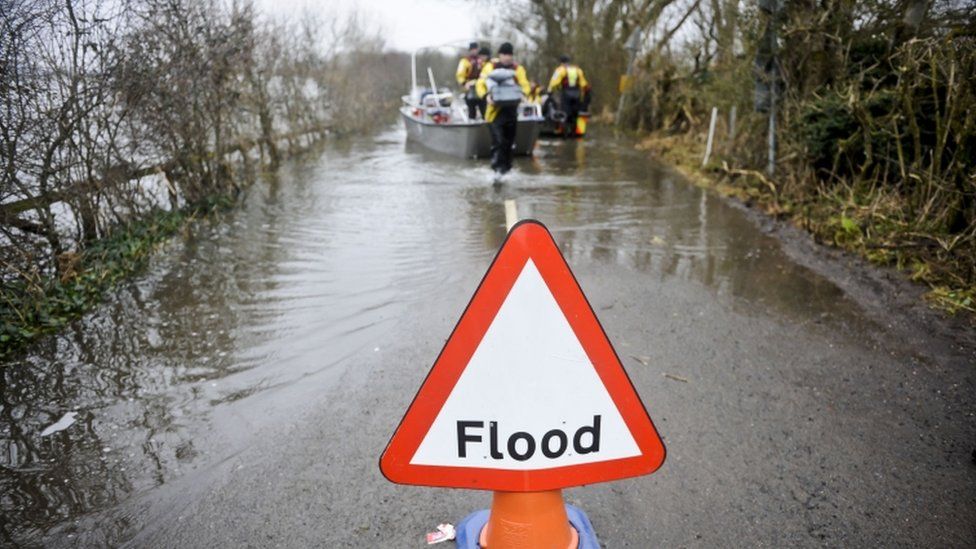
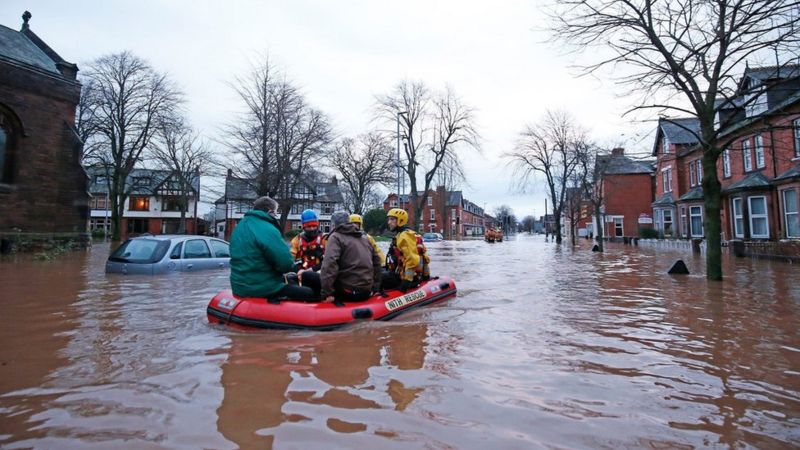
• Higher-inundation risks for coastal and riverine areas, leading to increased costs for infrastructure and recovery
• Pollution-related health costs
• Decreased competitiveness and economic growth due to climate-related disruptions and costs
The Social Consequences of Climate Change
Climate change will have far-reaching social implications, including increased displacement and migration, social unrest, and cultural heritage loss. As the climate changes, regions that are already experiencing conflict and unrest, such as the Sahel region in Africa, are likely to see more frequent and intense conflicts.
Climate Change and Migration
Climate change will lead to increased migration and displacement worldwide, particularly in countries already prone to conflict and poverty. In 2019, 70% of the world's displacement was caused by conflicts, but climate change is expected to reverse this trend, causing increased refugee flows.
Key indicators of climate-related migration include:
• Increased droughts and heat stress leading to abandoned settlements
• Rising sea levels forcing coastal communities to relocate
• Storms, floods, and landslides displacing people and destroying infrastructure
• Scarcity of natural resources, like water and climate-durable food
The Role of Climate Action
The response to climate change requires collective action from governments, corporations, and individuals. Reducing greenhouse gas emissions through low-carbon technologies, energy-efficient practices, and renewable energy sources can mitigate the worst impacts of climate change. Businesses must prioritize climate resilience, particularly in high-risk sectors like agriculture, finance, and real estate.
Climate action requires collaboration and an emergency response to create policies and solutions for climate change at state, national, and local levels. Individual contributions, such as reducing carbon footprint, conserving water, and energy-efficient practices, are also essential for a sustainable future.
Ways to Cope with the Domino Effect of Climate Change
While the effects of climate change are far-reaching, individuals and communities can take proactive steps to mitigate its impacts. Some key strategies include:
• Supporting climate-resilient agriculture to promote food security
• Empowering communities to confront climate-related conflicts
• Developing policies for harnessing low-carbon technologies and lowering greenhouse gas emissions
• Developing resilient infrastructure to withstand and recover from extreme weather events
Global Response to Climate Change
Climate change will have far-reaching consequences for human beings, economies, and the environment. The time for complacency is over; action is required now. Governments, businesses, and individuals must collaborate to mitigate the worst impacts of climate change.
Climate change is a critical global issue requiring prompt and collective action to adapt and take climate action for a sustainable future.

Related Post

Unleash the Thrill: How to Watch Trutv On Dish Network Channels Shows and Get the Most Out of Your Subscription

The Dark Side of Soap Whether It's Good for Your Skin: Separating Fact from Fiction

What Star Sign Is July 13: The Birth Sign of Independence and Adventure

Wilmington's Most Wanted: Uncovering the Truth Behind Mugshots NC


