BMP-2: The Game-Changing Bone Morphogenetic Protein
BMP-2: The Game-Changing Bone Morphogenetic Protein
Bone morphogenetic protein-2, or BMP-2, is a vital protein that plays a significant role in bone growth and development. Research has shown that BMP-2 has the potential to revolutionize the field of orthopedics and bone regeneration. This article delves into the world of BMP-2, exploring its history, mechanisms, applications, and future prospects.
The history of BMP-2 dates back to the 1960s, when Dr. Marshall Urist discovered that a soluble factor extracted from bone could induce bone growth in animals. This discovery led to a flurry of research, and by the 1990s, BMP-2 was identified as a key player in bone morphogenesis. Since then, numerous studies have explored the potential of BMP-2 in treating bone-related disorders, and the protein has gained attention for its regenerative properties.
The Science Behind BMP-2
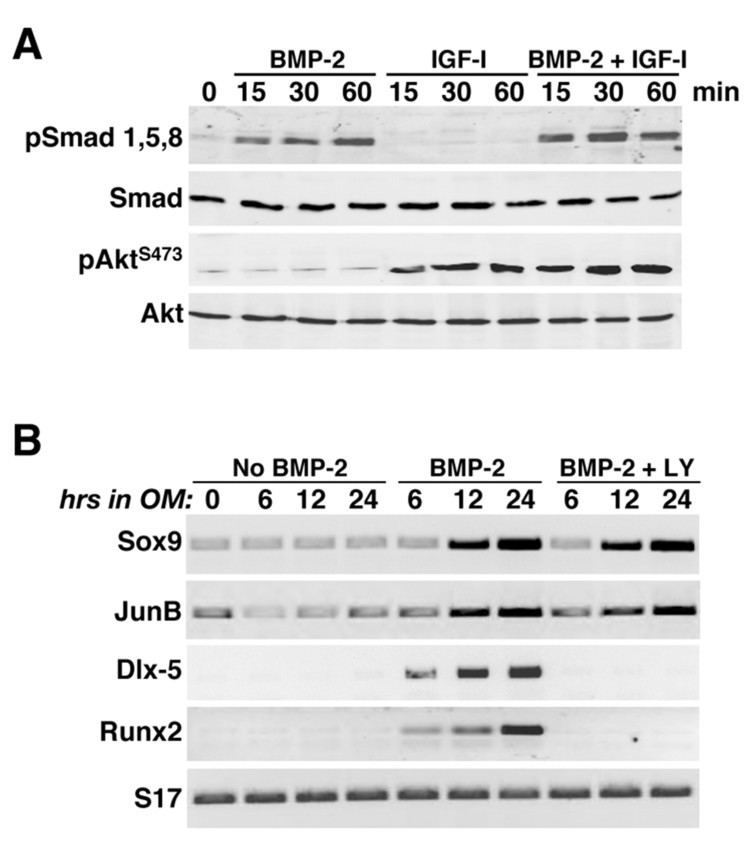
BMP-2 is a member of the transforming growth factor-beta (TGF-β) superfamily, which plays a crucial role in cell growth, differentiation, and extracellular matrix production. BMP-2 stimulates osteoblast differentiation, leading to bone formation and growth. It achieves this by binding to specific receptors on the surface of osteoblasts, triggering a cascade of signaling pathways that promote bone matrix deposition and mineralization.
BMP-2 Signaling Pathways
The BMP-2 signaling pathway involves a complex interplay of molecules, including:
- BMPR1A and BMPR1B receptors: BMP-2 binds to these receptors, initiating a signaling cascade
- Smad proteins: BMP-2 activates Smad1, Smad5, and Smad8, which translocate to the nucleus and regulate gene expression
- MAPK/ERK pathway: BMP-2 activates this pathway, leading to the phosphorylation and activation of various transcription factors
These signaling pathways converge to regulate the expression of genes involved in bone formation, including osteocalcin, alkaline phosphatase, and type I collagen.
Applications of BMP-2
BMP-2 has been explored for its potential in treating various bone-related disorders, including:
Spinal Fusion
BMP-2 has been used to enhance spinal fusion rates in patients undergoing spinal surgery. Studies have shown that BMP-2 can increase fusion rates by up to 70%, reducing the need for additional surgeries and improving patient outcomes.
Nonunion Fractures
BMP-2 has been used to treat nonunion fractures, where the bone fails to heal properly. Research has demonstrated that BMP-2 can stimulate bone growth and promote healing in patients with nonunion fractures.
Dental Implants
BMP-2 has been explored as a potential adjunct to dental implant procedures. Studies have shown that BMP-2 can enhance bone growth around dental implants, improving implant stability and success rates.
Future Prospects of BMP-2
While BMP-2 has shown promise in treating bone-related disorders, there are still several challenges to overcome before it can be widely adopted. These include:
Delivery Methods
One of the main challenges facing BMP-2 is the delivery method. Current methods, such as injectable solutions or matrices, have limitations, and researchers are exploring alternative delivery methods, such as gene therapy or biomaterials.
Regulatory Framework
The regulatory framework surrounding BMP-2 is complex, with varying guidelines and regulations across different countries. Researchers and clinicians must navigate these regulatory hurdles to bring BMP-2 to market.
Long-Term Safety
Long-term safety is a major concern when it comes to BMP-2. Researchers must continue to monitor patients and gather data to ensure that BMP-2 is safe for repeated use and long-term administration.
According to Dr. David Grainger, a leading researcher in the field of bone regeneration, "BMP-2 has the potential to revolutionize the treatment of bone-related disorders. However, we must continue to investigate its long-term safety and efficacy to ensure that it is used responsibly and effectively."
Conclusion
BMP-2 is a promising protein that has the potential to revolutionize the field of orthopedics and bone regeneration. While there are still challenges to overcome, the potential benefits of BMP-2 make it an exciting area of research. As researchers and clinicians continue to explore the applications and mechanisms of BMP-2, we can expect to see significant advancements in the treatment of bone-related disorders.
References:
Urist, M. R. (1965). Bone formation by autoinduction. Science, 150(3693), 893-899.
Reddi, A. H. (2000). Morphogenesis and tissue engineering. Acta Orthopaedica, 71(4), 415-428.
Grainger, D. W. (2018). Bone regeneration and repair. In Bone and Mineral Research (pp. 1-18). Springer, Cham.


Related Post

The Great Debate: Monroe Reflex vs Oespectrum Shocks - Which One Reigns Supreme?
The Sexiest Feet In World: Uncovering the Science and Beauty of Attractive Feet

Major Eco Renovations to Transform 2 Goodwood Drive Bourne into Sustainable Paradise

Unveiling The Mystery: Who Is Sade's Current Partner?